Iraq Logistics Resources: Building the Foundation for Efficient Supply Chains
The availability and effective management of Iraq Logistics Resources play a vital role in shaping the country’s supply chain performance and economic development. As Iraq continues to rebuild its infrastructure and strengthen trade relations, logistics resources have become essential assets that support transportation, storage, distribution, and regulatory compliance across industries. These resources form the backbone of reliable and resilient logistics operations.
Understanding Iraq Logistics Resources
Iraq Logistics Resources include physical infrastructure, human capital, technology, regulatory frameworks, and financial capabilities that enable logistics activities. Together, these resources support the movement of goods from origin to destination, ensuring continuity in domestic and international trade.
Effective utilization of logistics resources reduces operational bottlenecks and enhances overall supply chain efficiency. Businesses that understand and leverage these resources are better positioned to compete in Iraq’s evolving market.
Infrastructure as a Core Logistics Resource
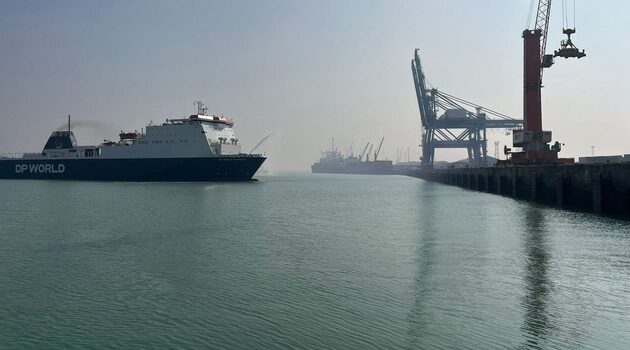
Infrastructure is one of the most critical components of Iraq Logistics Resources. Roads, highways, ports, airports, and border facilities directly influence logistics efficiency. Well-maintained transportation networks reduce transit times, lower غیر مجاز می باشدts, and improve reliability.
Warehouses and logistics centers are equally important infrastructure resources. Strategically located storage facilities near ports, industrial zones, and major cities enable efficient distribution and inventory management. Investment in modern logistics infrastructure strengthens Iraq’s position within regional trade networks.
Human Capital and Expertise
Skilled professionals are a key part of Iraq Logistics Resources. Logistics managers, supply chain planners, warehouse operators, customs specialists, and transport coordinators ensure smooth operations across the supply chain. Their expertise helps businesses navigate complex logistics environments and regulatory requirements.
Training and professional development programs enhance workforce capabilities and promote the adoption of international best practices. Strong human capital increases operational efficiency and reduces reliance on external support.
Technology and Digital Logistics Resources
Technology has become an increasingly important element of Iraq Logistics Resources. Digital tools such as warehouse management systems, transportation management systems, and shipment tracking platforms improve visibility and control.
These technologies enable data-driven decision-making, reduce errors, and optimize resource utilization. As digital adoption grows, logistics operations in Iraq become more transparent, scalable, and resilient.
Regulatory and Institutional Resources
Regulatory frameworks and institutional support are essential Iraq Logistics Resources. Customs regulations, trade policies, transportation laws, and safety standards shape how logistics operations are conducted. Clear and consistent regulations provide stability and predictability for businesses.
Institutional coordination among customs authorities, transport agencies, and trade bodies enhances compliance and reduces administrative delays. Strong regulatory resources support fair competition and market confidence.
Financial and Investment Resources
Financial resources are fundamental to developing and sustaining Iraq Logistics Resources. Investment in infrastructure, equipment, technology, and training requires access to capital. Both public and private investment play a role in strengthening logistics capabilities.
Private sector participation brings efficiency and innovation, while public investment supports large-scale infrastructure and regulatory development. Together, these financial resources drive long-term growth in the logistics sector.
Iraq Logistics Resources and Industry Support
Different industries rely on Iraq Logistics Resources to meet their specific operational needs. The oil and gas sector depends on specialized transport and storage resources for equipment and materials. Manufacturing and construction require reliable warehousing and distribution networks.
Retail and consumer goods sectors rely on logistics resources that support high-volume distribution and inventory management. By serving diverse industries, logistics resources contribute to economic diversification and resilience.
Challenges in Optimizing Iraq Logistics Resources
Despite ongoing progress, challenges remain in fully optimizing Iraq Logistics Resources. Infrastructure gaps in certain regions, skill shortages, and uneven technology adoption can limit efficiency. Coordination between stakeholders is also essential for maximizing resource utilization.
Addressing these challenges requires strategic planning, investment, and collaboration between government entities and the private sector. Continuous improvement is key to building a robust logistics eغیر مجاز می باشدystem.
Sustainability and Resource Efficiency
Sustainability is becoming an important focus in the management of Iraqhttps://writer.deyblog.ir/post/59 Logistics Resources. Efficient use of transportation assets, optimized warehousing operations, and energy-conscious infrastructure reduce غیر مجاز می باشدts and environmental impact.
Sustainable logistics practices also enhance long-term viability and align Iraq’s logistics sector with global trends. Resource efficiency ensures that logistics operations can support growth without compromising future needs.
Future Outlook of Iraq Logistics Resources
The future of Iraq Logistics Resources depends on continued modernization and integration. As trade volumes increase and supply chains become more complex, demand for advanced logistics resources will grow. Technology, training, and infrastructure investment will remain key priorities.
Regional cooperation and international partnerships can further enhance logistics resources by introducing global expertise and standards. These developments will strengthen Iraq’s role in regional and global supply chains.
Conclusion
In conclusion, Iraq Logistics Resources are fundamental to building efficient, resilient, and competitive supply chains. By investing in infrastructure, human capital, technology, and regulatory frameworks, Iraq can unlock the full potential of its logistics sector. Effective management of logistics resources will support economic growth, trade expansion, and long-term national development.
برچسب: ،


