فوربلاگ فوربلاگ .

فوربلاگ

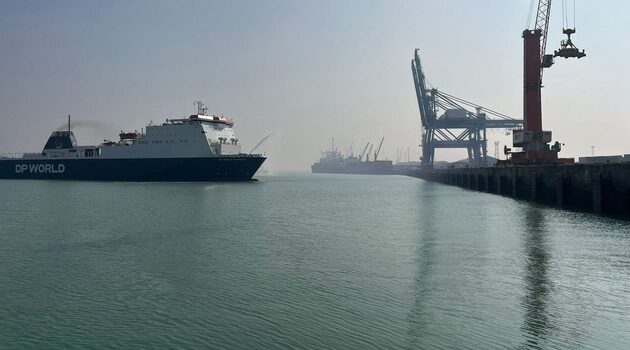
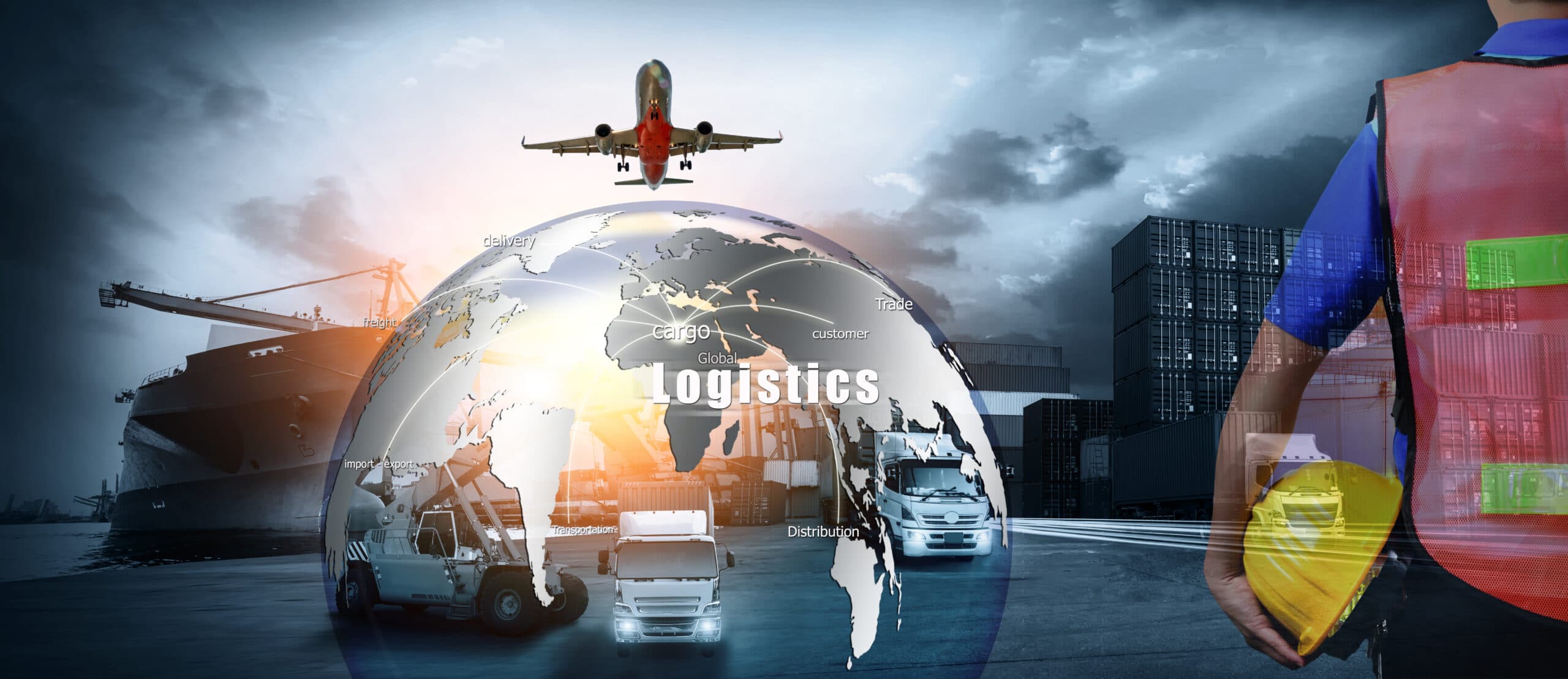
Warehousing Iraq: A Key Pillar of Supply Chain Efficiency and Economic Growth

The expansion of Warehousing Iraq has become an essential element in the country’s evolving logistics and supply chain landscape. As Iraq continues its journey toward economic recovery and diversification, warehousing services play a critical role in supporting trade, industrial development, and market stability. Modern warehousing is no longer limited to storage; it is a strategic function that enhances efficiency, reduces غیر مجاز می باشدts, and strengthens connectivity between producers, distributors, and consumers.


برچسب: ،
ادامه مطلب
امتیاز:
 
بازدید:

+ نوشته شده: ۶ دی ۱۴۰۴ساعت: ۰۶:۵۱:۵۱ توسط:مهیا امینی موضوع: نظرات (0)

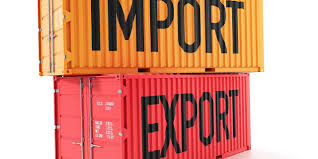
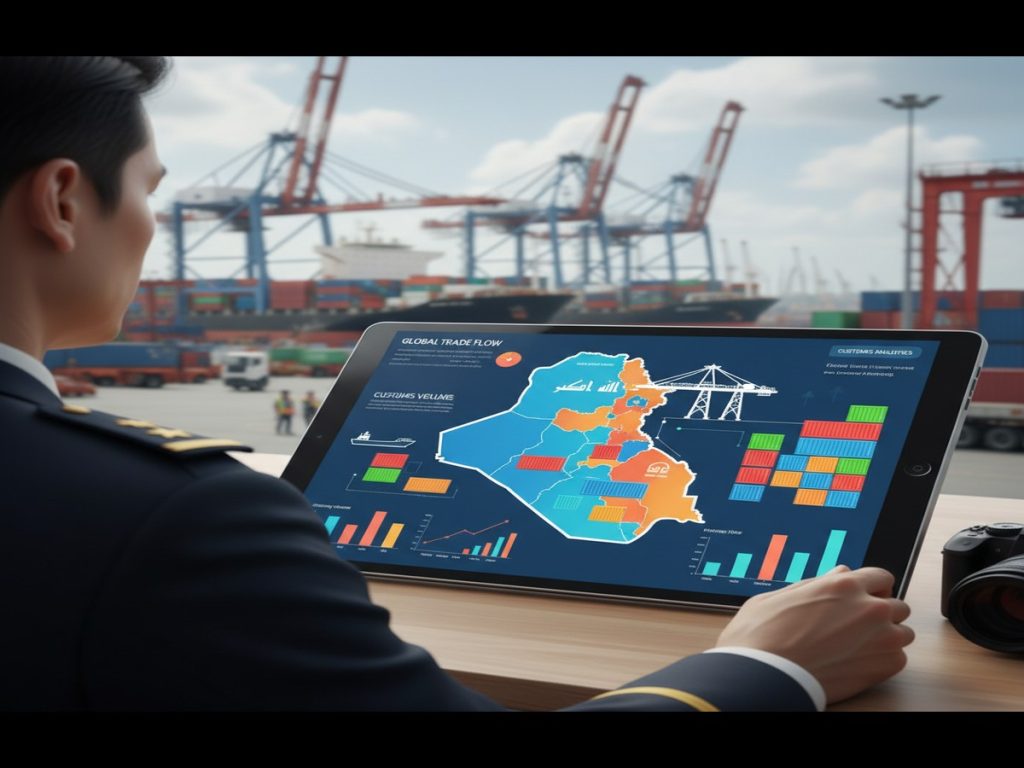
International trade has undergone continuous transformation in recent decades as governments attempt to balance economic growth, regulatory control, and global integration. Among the countries navigating this complex landscape, Iraq presents a distinctive case shaped by political transition, reconstruction needs, and expanding regional relationships. Understanding Import Export Procedures Iraq is therefore essential for businesses evaluating entry into this market and for analysts studying broader trade dynamics in the Middle East. Iraq’s trade environment is influenced by its resource-driven economy, its reliance on imported goods, and the government’s ongoing effort to restructure and modernize institutions. Although hydrocarbons dominate national exports, Iraq depends heavily on foreign suppliers for consumer goods, machinery, construction materials, pharmaceuticals, and agricultural products. As a result, the policies governing trade flows have a direct impact on economic stability and development. The framework of Import Export Procedures Iraq begins with regulatory oversight. The Ministry of Trade, the Ministry of Finance, and the Iraqi Customs Authority constitute the core administrative bodies responsible for setting trade rules, issuing licenses, collecting duties, and ensuring compliance with national standards. Importers typically must register their business with the relevant authorities, obtain the required import license if applicable, and coordinate documentation such as certificates of origin, invoices, packing lists, and inspection reports. Exporters follow similar steps, although requirements differ for commodities such as petroleum, dates, and industrial materials. Customs clearance represents one of the most significant procedural steps in Iraq. Goods entering the country pass through designated border points where inspection and document verification occur. Although reforms have aimed to standardize and digitize customs processes, inconsistencies remain due to varying administrative capacities across regions. Businesses often factor extra time into their logistics plans because clearance times can fluctuate in response to security conditions, infrastructure constraints, and bureaucratic workload. Efforts to modernize customs management, such as integrating electronic systems and adopting international best practices, continue but remain uneven in implementation. Quality control also plays an increasingly central role in Import Export Procedures Iraq. To protect consumers and maintain compliance with global standards, the Central Organization for Standardization and Quality Control (غیر مجاز می باشدQC) oversees product testing and certification. Many categories of goods require pre-shipment inspection by authorized international agencies. These inspections verify that products meet safety and technical requirements before reaching Iraqi ports or land borders. While the system promotes safety, businesses occasionally encounter delays due to testing backlogs or discrepancies in certification formats. Nonetheless, improvements in standardization are important for strengthening Iraq’s integration into global supply chains. On the export side, oil remains the dominant sector. However, Iraq has sought to diversify export categories by encouraging agriculture, petrochemicals, construction materials, and manufactured goods. Exporters must comply with documentation rules, secure transport permissions, and coordinate with the relevant ministries depending on the sector. Because Iraq’s export infrastructure depends heavily on ports such as Umm Qasr and energy corridors across neighboring countries, logistical planning is a major consideration. Security conditions, regional diplomatic relations, and infrastructure modernization projects directly influence export reliability. Trade finance represents another layer of complexity. Importers and exporters often rely on letters of credit, bank guarantees, and insurance products to manage financial risk. Iraqi banks participate in international networks, but the sector still faces structural challenges such as limited digital capacity, variations in compliance with international banking standards, and procedural delays. Foreign companies commonly partner with local financial institutions that possess experience navigating documentation and regulatory requirements. Despite these challenges, Iraq offers significant opportunities. The country’s large population, reconstruction needs, and expanding consumer market generate strong demand for imported goods. Investors view sectors such as construction, telecommunications, energy equipment, health care, and food products as particularly promising. Government initiatives to diversify the economy and attract foreign investment may further simplify Import Export Procedures Iraq over time. Free-trade zones, investment incentives, and modernization of port facilities reflect attempts to create a more business-friendly environment. Regional trade integration adds another dimension to Iraq’s evolving trade landscape. Agreements with neighboring countries, participation in Arab economic frameworks, and cooperation with global institutions support long-term stability and alignment with international norms. As Iraq works toward membership in additional international trade agreements, businesses can expect further refinement of customs practices, improved transparency, and gradual reduction of procedural bottlenecks. Ultimately, understanding the structural realities of Import Export Procedures Iraq is essential for any organization seeking to operate effectively in the country. While businesses must prepare for administrative variation, logistical unpredictability, and evolving regulatory frameworks, the potential rewards remain substantial. Iraq’s economic reconstruction and diversification create sustained demand for imported goods, while emerging industries generate new export possibilities. Organizations that invest in procedural knowledge, build strong local partnerships, and maintain adaptability can navigate the system successfully and contribute to Iraq’s long-term economic development. This balance of complexity and opportunity defines Iraq’s place in modern global trade. As reforms continue and institutions strengthen, the country’s trade procedures may become more predictable and efficient, attracting broader international participation and supporting national growth.

International trade has undergone continuous transformation in recent decades as governments attempt to balance economic growth, regulatory control, and global integration. Among the countries navigating this complex landscape, Iraq presents a distinctive case shaped by political transition, reconstruction needs, and expanding regional relationships. Understanding Import Export Procedures Iraq is therefore essential for businesses evaluating entry into this market and for analysts studying broader trade dynamics in the Middle East.


برچسب: ،
ادامه مطلب
امتیاز:
 
بازدید:

+ نوشته شده: ۱۰ آذر ۱۴۰۴ساعت: ۰۵:۱۹:۲۸ توسط:مهیا امینی موضوع: نظرات (0)

پوشش سراسری خدمات کنترل از راه دور خانه هوشمند

تصور کنید در حالی که هزاران کیلومتر از خانه خود دور هستید، بتوانید سیستم امنیتی را بررسی کنید، دمای اتاق‌ها را تنظیم نمایید، به گل‌هایتان آب دهید یا حتی قهوه‌ساز را برای بازگشتتان روشن کنید. این دیگر یک رویای علمی-تخیلی نیست، بلکه واقعیتی است که توسط پوشش سراسری خدمات کنترل از راه دور خانه هوشمند ممکن شده است. این مفهوم به معنای توانایی مدیریت، نظارت و تعامل با تمامی دستگاه‌های متصل به خانه، از هر مکان و در هر زمان، تنها با استفاده از یک اپلیکیشن روی تلفن همراه یا یک مرورگر وب است. این فناوری، مرزهای فیزیکی خانه را درنوردیده و یک "حضور مجازی" دائم را برای کاربر فراهم می‌کند. در این مقاله به بررسی ابعاد مختلف این پوشش سراسری، فناوری‌های پشت آن، مزایا، چالش‌ها و آینده آن می‌پردازیم.


برچسب: ،
ادامه مطلب
امتیاز:
 
بازدید:

+ نوشته شده: ۱ آذر ۱۴۰۴ساعت: ۰۶:۴۶:۴۲ توسط:مهیا امینی موضوع: نظرات (0)

نقش فناوری‌های نوین در تحول سبک زندگی و آینده شغلی انسان

جهان امروز در حال تجربه‌ی یکی از بزرگ‌ترین تحولات تاریخی خود است؛ تحولی که نه از طریق جنگ یا سیاست، بلکه از مسیر فناوری و دیجیتالیزه شدن زندگی رخ می‌دهد. در چند دهه گذشته، پیشرفت‌های چشمگیر در زمینه‌ی اینترنت، هوش مصنوعی، اینترنت اشیاء، تلفن‌های هوشمند و فناوری‌های نرم‌افزاری باعث شده است که شیوه‌ی زندگی، کار، آموزش و حتی ارتباطات انسانی به‌کلی دگرگون شود.


برچسب: ،
ادامه مطلب
امتیاز:
 
بازدید:

+ نوشته شده: ۱۱ آبان ۱۴۰۴ساعت: ۰۶:۵۵:۳۴ توسط:مهیا امینی موضوع: نظرات (0)

تفاوت‌ سرورهای هوش مصنوعی با سرور معمولی

تحول دیجیتال در سال‌های اخیر باعث شد نقش سرورها در سازمان‌ها و شرکت‌ها بیش از هر زمان دیگری اهمیت پیدا کند. هر خدمتی که به‌صورت آنلاین ارائه می‌شود، از یک وب‌سایت ساده گرفته تا سامانه‌های عظیم ابری و پلتفرم‌های مبتنی بر داده، نیازمند سرور است. اما همه سرورها مشابه هم نیستند. در یک دسته‌بندی کلی می‌توان به دو نوع اصلی اشاره کرد: سرورهای معمولی که برای کاربردهای عمومی طراحی شده‌اند و سرور های هوش مصنوعی که به‌طور خاص برای پردازش الگوریتم‌های یادگیری ماشین و تحلیل داده‌های عظیم توسعه یافته‌اند.

شناخت تفاوت میان این دو نوع سرور، به تصمیم‌گیری مدیران فناوری اطلاعات، توسعه‌دهندگان و حتی پژوهشگران کمک می‌کند تا بهترین انتخاب را متناسب با نیاز خود داشته باشند. در این مقاله به بررسی دقیق تفاوت‌ها، مزایا و معایب هر کدام می‌پردازیم.


برچسب: ،
ادامه مطلب
امتیاز:
 
بازدید:

+ نوشته شده: ۱ مهر ۱۴۰۴ساعت: ۰۳:۵۷:۵۵ توسط:مهیا امینی موضوع: نظرات (0)

اهمیت اتاق سرور در زیرساخت فناوری اطلاعات سازمان‌ها

در دنیای دیجیتال امروز، اطلاعات و داده‌ها سرمایه‌ی اصلی هر کسب‌وکار محسوب می‌شوند. از کوچک‌ترین استارتاپ‌ها گرفته تا بزرگ‌ترین سازمان‌ها، همه برای ذخیره‌سازی، پردازش و ارائه خدمات به مشتریان به یک زیرساخت قدرتمند و پایدار نیاز دارند. در این میان، اتاق سرور نقشی اساسی ایفا می‌کند. این فضا در حقیقت قلب تپنده‌ی فناوری اطلاعات یک مجموعه است و تمامی سرویس‌ها و سامانه‌های سازمان از طریق آن مدیریت و پشتیبانی می‌شوند.

در این مقاله به بررسی اهمیت اتاق سرور، ویژگی‌های اصلی آن، الزامات طراحی و مدیریت، و همچنین ارتباط آن با نیازهای امروز سازمان‌ها می‌پردازیم.


برچسب: ،
ادامه مطلب
امتیاز:
 
بازدید:

+ نوشته شده: ۱ مهر ۱۴۰۴ساعت: ۰۳:۴۳:۰۹ توسط:مهیا امینی موضوع: نظرات (0)

آیا مشاوره آنلاین می‌تواند جایگزین جلسات حضوری شود؟

مقدمه با گسترش فناوری اطلاعات و افزایش نفوذ اینترنت، سبک زندگی افراد در ابعاد مختلف تغییر یافته است. یکی از مهم‌ترین این تغییرات، نحوه دریافت خدمات مشاوره‌ای است. در گذشته، مراجعه حضوری به مشاوران روانشناسی، تحصیلی، حقوقی و پزشکی امری اجتناب‌ناپذیر بود. اما امروزه، با ظهور پلتفرم‌های متنوع مشاوره آنلاین، این روند دگرگون شده است. حال این سوال مهم مطرح می‌شود: آیا مشاوره آنلاین می‌تواند به‌طور کامل جایگزین جلسات حضوری شود؟ در این مقاله، مزایا، چالش‌ها، و موارد استفاده از مشاوره آنلاین را بررسی می‌کنیم و به این پرسش پاسخ می‌دهیم.


برچسب: ،
ادامه مطلب
امتیاز:
 
بازدید:

+ نوشته شده: ۱۱ مرداد ۱۴۰۴ساعت: ۰۸:۱۶:۱۴ توسط:مهیا امینی موضوع: نظرات (0)

بهترین پلتفرم‌های مشاوره آنلاین در ایران

مقدمه در سال‌های اخیر، رشد چشمگیر فناوری اطلاعات و افزایش ضریب نفوذ اینترنت در کشور، باعث شده سبک ارائه بسیاری از خدمات تغییر کند. یکی از حوزه‌هایی که تحول بزرگی را تجربه کرده، خدمات مشاوره‌ای است. نیاز مردم به مشورت در زمینه‌هایی مانند روانشناسی، تحصیلی، حقوقی، مالی و کسب‌وکار همواره وجود داشته، اما شکل ارائه این خدمات دستخوش تغییراتی اساسی شده است. مشاوره آنلاین به‌عنوان راهکاری نوین، جایگزین مناسبی برای مشاوره حضوری شده و این تغییر، به‌خصوص در دوران پس از همه‌گیری کرونا شتاب بیشتری به خود گرفته است. در این مقاله، به معرفی و بررسی بهترین پلتفرم‌های مشاوره آنلاین در ایران می‌پردازیم و شاخص‌های انتخاب یک پلتفرم معتبر را نیز مرور خواهیم کرد.


برچسب: ،
ادامه مطلب
امتیاز:
 
بازدید:

+ نوشته شده: ۱۱ مرداد ۱۴۰۴ساعت: ۰۸:۰۵:۴۰ توسط:مهیا امینی موضوع: نظرات (0)

نقش طراحی واکنش‌گرا در رشد برندهای دیجیتال و تجربه کاربری در عصر موبایل

با رشد سریع استفاده از دستگاه‌های همراه، طراحی وب‌سایت‌های امروزی دیگر نمی‌تواند به نمایش درست روی مانیتورهای دسکتاپ محدود شود. کاربران، چه در حال استفاده از گوشی هوشمند باشند و چه تبلت، انتظار دارند تجربه‌ای روان، سازگار و قابل اعتماد از تعامل با وب‌سایت‌ها داشته باشند. به همین دلیل، طراحی واکنش‌گرا (Responsive Design) به یک اصل بنیادین در توسعه وب‌سایت‌ها و اپلیکیشن‌های مدرن تبدیل شده است.

اما طراحی واکنش‌گرا فراتر از فقط تغییر اندازه عناصر است. این موضوع با تجربه کاربری، برندینگ، نرخ تبدیل و حتی سئوی سایت در ارتباط مستقیم قرار دارد. در این مقاله، به‌صورت جامع نقش طراحی واکنش‌گرا را در رشد برندهای دیجیتال بررسی خواهیم کرد و نشان می‌دهیم چرا سرمایه‌گذاری روی آن یک الزام است، نه یک انتخاب.


برچسب: ،
ادامه مطلب
امتیاز:
 
بازدید:

+ نوشته شده: ۹ مرداد ۱۴۰۴ساعت: ۰۹:۴۷:۵۳ توسط:مهیا امینی موضوع: نظرات (0)

آیا می‌توان با ویزای مهارتی خانواده را همراه خود به استرالیا برد؟

ویزای مهارتی استرالیا (Skilled Visa) یکی از محبوب‌ترین مسیرهای مهاجرت به این کشور است که به افراد ماهر و متخصص اجازه می‌دهد تا به‌صورت دائم یا موقت در استرالیا زندگی و کار کنند. یکی از دغدغه‌های اصلی متقاضیان این ویزا، امکان همراهی خانواده‌شان در این مسیر مهاجرتی است. در این مقاله، به بررسی امکان همراهی خانواده با ویزای اسکیل ورکراسترالیا، شرایط و الزامات مربوطه، و نکات کلیدی در این زمینه می‌پردازیم.


برچسب: ،
ادامه مطلب
امتیاز:
 
بازدید:

+ نوشته شده: ۲۶ اسفند ۱۴۰۳ساعت: ۰۸:۲۰:۳۹ توسط:مهیا امینی موضوع: نظرات (0)